Blog

  • Remodeling and Restoration Services for Tea Spaces

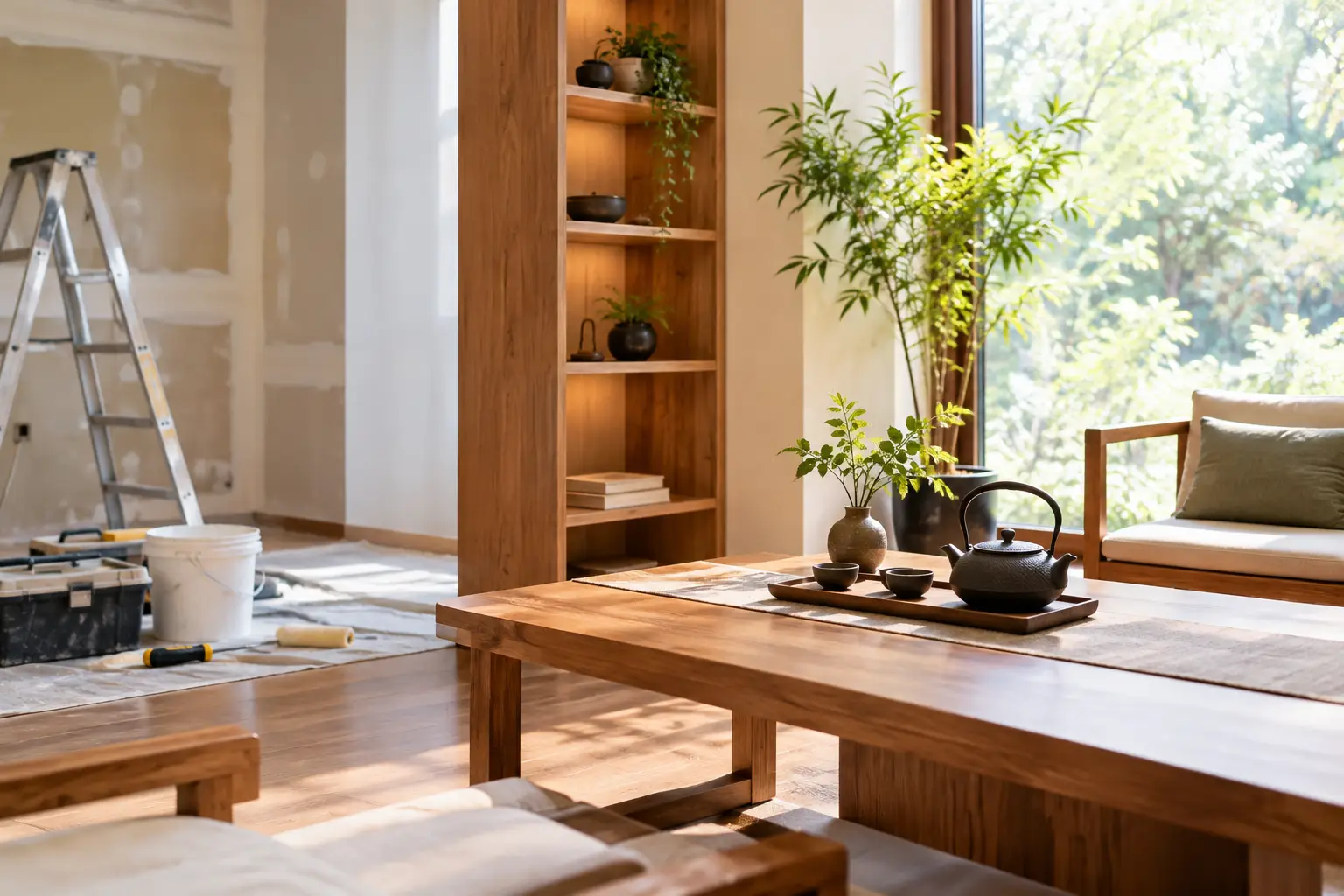
    Remodeling and Restoration Services for Tea Spaces

    A tea warehouse can look clean and still put valuable tea at risk. A small roof leak, a damp wall, or direct afternoon sun can slowly change a tea’s aroma, color, and taste. For tea businesses, remodeling and restoration services are not only about making a space look new. They are about protecting product quality and creating a place where tea can be stored, sampled, and shared with confidence.

    For overseas buyers sourcing from Taiwan, the condition of a supplier’s space can also tell an important story. A well-planned factory, storage room, or tasting area shows care in daily operations. It does not guarantee good tea, but it supports the work that happens after harvest: sorting, packing, aging, storing, and presenting the tea properly.

    Why tea spaces need special attention

    Tea is dry, but it is not indifferent to its surroundings. It absorbs odors easily. It can lose freshness in heat. Too much moisture may lead to stale flavors, mold risk, or damaged packaging. This is especially relevant in Taiwan, where humid summers, heavy rain, and typhoon seasons can challenge older buildings.

    A remodeling project may be planned because a tea business is growing. A former small packing room may need better shelving and clearer work areas. A restoration project often begins after damage from water, pests, age, or severe weather. In both cases, the goal should be practical: keep tea safe, make work easier, and welcome visitors without exposing inventory to unnecessary risk.

    The right approach depends on the building and the tea inside it. A high-mountain oolong packed for quick sale has different needs from aged pu-erh-style dark tea or carefully stored roasted oolong. The quantity of tea, local climate, visitor traffic, and export plans all matter.

    Remodeling and restoration services for tea storage

    The storage room deserves attention before a showroom or tasting bar. Buyers may be impressed by beautiful wood finishes, but tea quality depends more on stable conditions, clean surfaces, and sensible handling practices.

    Control moisture before adding finishes

    Water problems should be fixed at their source. Repainting a stained wall does not solve a leaking pipe or poor drainage outside the building. During restoration, inspect the roof, windows, wall cracks, plumbing, and floor drains. Check whether rainwater can collect near the building after a heavy storm.

    For tea storage, the room should be dry, clean, and free from strong smells. New paint, adhesives, wood treatments, and construction materials can release odors. Tea cartons and loose tea should stay away from the work area until smells have fully faded and the space has been cleaned.

    Humidity control can help, but a dehumidifier should not be the only answer. If warm, wet air keeps entering through damaged seals or an open loading door, the equipment will work harder and conditions may still change too often. Good restoration starts with the building envelope, then adds equipment where needed.

    Plan for clean movement of tea

    A storage area should allow tea to move from delivery to inspection, storage, packing, and shipping without confusion. This does not require a large factory. Even a small space can work well when cartons are kept off the floor, paths are clear, and different lots are labeled carefully.

    Shelving should be strong, easy to clean, and suitable for the weight of tea cartons. Leave enough space between stored tea and exterior walls so staff can notice dampness or pests early. Avoid placing tea beneath pipes, air-conditioning drains, or areas where condensation may form.

    For importers, this kind of order is useful to observe during a supplier visit. Ask how lots are identified, where finished tea waits before shipment, and how staff handle damaged cartons. Clear answers and a tidy workflow often reveal more than a polished reception area.

    Separate tea from strong odors

    Tea should never share close space with cleaning chemicals, fuel, scented products, paint, or food with a strong smell. This sounds simple, yet mixed-use buildings can create surprises. A tea room next to a restaurant kitchen, vehicle garage, or perfume shop may face odor problems that are difficult to remove.

    When remodeling a building, consider dedicated zones for tea, packing materials, cleaning supplies, and office items. If a space must serve several purposes, use solid partitions and keep tea sealed in suitable inner packaging and cartons. The best choice depends on the scale of the business, but separation is usually worth the effort.

    Restoring an older tea factory or shop

    Older tea buildings can carry real character. In Taiwan, a family tea shop may have decades of history, original woodwork, old roasting equipment, or a familiar neighborhood presence. Restoring these places can help protect a tea business’s identity. Yet heritage should not come at the cost of safety or tea quality.

    Before work begins, document what is valuable. This may include an old tea sign, roasting room details, photographs, family records, or traditional furniture. Then identify what must change, such as unsafe wiring, water-damaged ceilings, poor ventilation, or uneven floors.

    There is often a trade-off between preserving original materials and meeting modern needs. Old wooden windows may look beautiful but allow moisture and dust to enter. Original floor tiles may be worth saving in a tasting room but may not be practical in a packing area. A thoughtful project keeps meaningful features where they work, while improving the parts that affect safety, sanitation, and operations.

    For tea buyers, a restored factory can offer a more complete view of Taiwanese tea culture. It can show how family knowledge, local craftsmanship, and modern quality control can exist in the same business. Still, buyers should look beyond appearance. Ask how the producer manages storage, packaging, traceability, and export preparation today.

    Designing a tasting space that serves the tea

    A tasting room is where buyers and guests form an impression of the tea. The room should feel calm, but it does not need expensive decoration. Good lighting, comfortable seating, clean water access, and a practical brewing table matter more than dramatic design.

    Natural light is pleasant, but direct sun can make a room too warm and may affect tea samples left on display. Soft lighting helps guests see dry leaves and liquor color without making the space feel like a retail display. Neutral walls and simple materials can keep attention on the tea itself.

    Ventilation is another important detail. A tasting room should not smell of cooking, perfume, fresh paint, or scented candles. When sampling a delicate Taiwanese high-mountain oolong, guests should be able to notice floral notes, creamy texture, and the clean sweetness that remains after each sip. Strong room odors can hide those details.

    The brewing setup should also match the purpose of the visit. A casual visitor tasting may use a simple teapot and cups. A buyer evaluation needs consistency. Use measured leaf amounts, the same water source, suitable temperatures, and clear notes for each sample. Remodeling can support this by adding a durable counter, storage for clean teaware, good drainage, and enough room for samples to be organized.

    What overseas buyers should ask a tea supplier

    When visiting a tea producer, exporter, or packing partner, it is reasonable to ask how the space is maintained. The goal is not to inspect every wall like a building expert. It is to understand whether the supplier treats storage and handling as part of tea quality.

    Useful questions include whether the facility has had water damage, how humidity is monitored, where tea is stored before export, and how often the area is cleaned. Buyers can also ask whether renovations affected production schedules or packaging operations. A reliable supplier should be able to explain their process clearly.

    If a supplier is restoring an older building, ask which areas are used for visitors and which areas are used for tea handling. A beautiful historic space may be excellent for storytelling and tasting, while the actual export tea is packed in a newer, cleaner area. That can be a sensible arrangement.

    Build a space around care, not appearances

    The best tea spaces make careful work easier. They keep moisture, odors, dust, and confusion away from the leaf. They also give growers, tea makers, buyers, and guests a comfortable place to talk about what is in the cup.

    Whether a tea business is repairing a storm-damaged warehouse or updating a small tasting room, each choice should begin with one question: will this help us protect and present the tea honestly? When the answer is yes, the space becomes more than a building. It becomes part of the care behind every shipment and every cup.


  • What a Renovation and Restoration Company Teaches Tea

    What a Renovation and Restoration Company Teaches Tea

    A renovation and restoration company works with a simple idea: keep what gives a place its character, repair what time has damaged, and make careful improvements that support its future. Taiwan tea deserves the same care. A tea garden, an old roasting room, and a family processing method are not museum pieces. They are living parts of a tea’s aroma, flavor, and identity.

    For people who enjoy Taiwanese tea, restoration is not only about old buildings or historic tools. It is also about protecting the growing environment, passing on skilled handwork, and helping each new generation understand why certain methods still matter. The goal is not to make every tea taste like the past. It is to preserve the knowledge that makes Taiwan tea distinct while allowing the craft to respond to changing weather, growing conditions, and drinking habits.

    The Renovation and Restoration Company Mindset in Tea

    A tea garden changes slowly, but it changes constantly. Rain shapes the soil. Sunlight affects leaf growth. A season with too much heat can bring a different fragrance from a cool, misty spring. Old tea trees may become less productive. Drainage channels can weaken. Processing equipment may need repair or replacement.

    This is where a restoration mindset is useful. Good restoration begins with observation, not quick replacement. Before changing a tea garden, growers look at the health of the plants, the condition of the soil, water flow, shade, and the local climate. Before updating a tea factory, tea makers consider which parts of the process create the tea’s signature character.

    Some changes are necessary. A damaged roof should be fixed to protect withering leaves from rain. Better temperature control can make drying more steady. Cleaner storage areas can help preserve a tea’s fresh scent. But changes should support the tea, not erase its natural personality.

    A high mountain oolong should still show the clear, soft feeling that comes from mountain air and cool temperatures. A traditional roasted oolong should still carry warmth and depth, not the sharp taste of excessive heat. Restoration asks a useful question at every step: what must be kept, and what can be improved?

    Restoring the Tea Garden Starts with the Land

    Taiwan’s tea regions are known for their varied landscapes. High mountain gardens often sit above 3,000 feet, where cooler air slows leaf growth. The leaves develop gradually, often building a smooth texture and gentle floral aroma. Mist can soften direct sunlight, while mountain soil and fresh water contribute to the character of the finished tea.

    These advantages do not stay in place without care. Heavy rain can wash away topsoil. Poor drainage can stress tea roots. Repeated use of the same growing practices may reduce soil balance over time. Restoring a garden may involve strengthening slopes, managing water, adding organic material, or allowing parts of the land to rest.

    This work is quiet and often invisible in a cup. Yet it affects everything that follows. Healthy roots support healthy leaves. Healthy leaves give tea makers more choices during withering, rolling, oxidation, and roasting. When the raw material is weak, even a skilled maker has limits.

    There is also a balance to consider. Older tea gardens can carry deep-rooted character, but age alone does not guarantee better tea. Young plants may be more vigorous and easier to manage. The better question is whether the garden is cared for in a way that suits its altitude, variety, and local conditions.

    Why altitude is not the whole story

    High altitude is often linked with fine Taiwanese oolong, but it is only one part of the picture. A mountain garden needs suitable sunlight, rainfall, soil, and day-to-night temperature changes. It also needs careful plucking. Leaves picked too early may lack body. Leaves picked too late may feel rough or dull.

    The tea variety matters as well. Qing Xin Oolong, a classic choice for many high mountain teas, is valued for its elegant fragrance and soft sweetness. It can be demanding to grow, but in the right place it can produce a long, clean finish. Other varieties may offer a stronger aroma, a fuller body, or better resistance to local conditions.

    Restoration means respecting these differences instead of treating every tea garden as if it should produce the same result.

    Preserving Traditional Processing Without Freezing It in Time

    Taiwanese tea processing is built on small decisions. After picking, leaves may be spread out to wither. They are then rested, gently shaken, rolled, dried, and sometimes roasted. Each stage affects the final cup.

    For oolong tea, the shaking stage is especially important. It lightly bruises the edges of the leaves and encourages partial oxidation. This is one reason oolong can show both fresh green notes and richer fruit or flower notes. Too little oxidation may make the tea taste thin or grassy. Too much can cover the mountain character and make the cup feel heavy.

    Experienced tea makers do not rely only on a clock. They watch the leaf color, touch the leaf surface, and smell the developing fragrance. Humidity can change the pace of the process. So can the thickness of the leaves and the weather on the day of harvest.

    Modern tools can help make some conditions more stable. They can support cleaner handling and more even drying. But tools do not replace judgment. A machine can measure temperature. It cannot fully decide whether a leaf has reached the right softness, scent, or balance.

    This is why traditional processing remains valuable. It holds practical knowledge built through repeated seasons. In the best tea factories, careful observation and useful equipment work together.

    Old Roasting Skills Give Tea a Second Life

    Roasting is one of Taiwan’s most expressive tea traditions. It can deepen sweetness, reduce green notes, and add aromas that range from warm grain and honey to dried fruit and wood. A light roast may leave more of the original garden fragrance visible. A deeper roast can create a rounder, more settled taste.

    Roasting also has a restorative role. Some teas are rested after initial processing and then roasted again in small stages. This can help the flavors come together and can give the tea a calmer, more mature feeling. The work requires patience. Too much heat can flatten the fragrance. Too little can leave unwanted raw notes behind.

    Traditional charcoal roasting is respected for its gentle, layered character, but it requires close attention and skill. Electric roasting offers steadier control and can be useful for certain styles. Neither method is automatically superior. The right choice depends on the tea, the intended flavor, and the tea maker’s experience.

    For drinkers, this creates an enjoyable comparison. Try a lightly roasted oolong beside a medium-roasted version of a similar tea. Notice how the first may feel brighter and more floral, while the second may feel warmer and sweeter. Both can be excellent when the roasting matches the leaf.

    Tea Restoration Includes Taste Memory

    A tea’s character lives in memory as much as in the leaf. People remember the orchid-like aroma of a high mountain oolong, the ripe fruit note of a Taiwanese black tea, or the comforting roasted scent of a traditional Tieguanyin-style oolong. These memories help tea makers recognize when a tea feels true to its style.

    That does not mean every harvest should taste identical. Tea is an agricultural product. Spring tea and winter tea can differ. One year’s rainfall may create more sweetness, while another year may bring stronger aroma. Natural variation is part of honest tea.

    The goal is not sameness. It is clarity. A good tea should clearly express its variety, region, season, and processing style. When those elements are easy to recognize, the tea feels trustworthy and alive.

    How to Taste the Care Behind the Tea

    You do not need special training to notice restoration-minded tea making. Start with the dry leaves. Look for a clean appearance and a natural, pleasant scent. After brewing, smell the lid or cup before taking a sip. Then pay attention to three simple things: fragrance, texture, and finish.

    A well-made high mountain oolong often feels smooth rather than harsh. Its fragrance may rise slowly and stay clear through several infusions. A good roasted oolong should have warmth without a burnt taste. A Taiwanese black tea may show malt, honey, fruit, or gentle floral notes, with a sweet aftertaste rather than bitterness.

    Use water that suits the tea. For many oolongs, water just below a full boil works well. Use enough leaf to let the tea show its character, then keep the first infusion brief. Small adjustments in leaf amount, water temperature, and steeping time can reveal very different sides of the same tea.

    The next time you brew Taiwanese tea, pause before the first sip. Think about the garden, the season, the hands that shaped the leaves, and the care that preserved their character. That quiet attention is where tea heritage becomes something you can taste.

  • Restoration vs Renovation: Which Fits Your Building?

    Restoration vs Renovation: Which Fits Your Building?

    A century-old storefront with original tin ceilings calls for a different kind of decision than a dated office suite with poor lighting and an inefficient layout. Both may need serious work. Yet the question is not simply how much to change. In restoration vs renovation, the real choice is what the building should preserve, what it should improve, and what role it needs to play next.

    For owners, developers, and design teams, the distinction affects budgets, permits, construction sequencing, material choices, and the final experience of the space. A clear direction early on prevents a familiar project problem: paying to protect features that do not support the new use, or removing character that could have created long-term value.

    Restoration vs Renovation: The Core Difference

    Restoration returns a building, room, or architectural element to an earlier known condition. The work is guided by evidence: historic photographs, original drawings, paint analysis, physical investigation, and surviving materials. The aim is fidelity. A restored façade may reproduce missing molding profiles, repair historic masonry with compatible mortar, and return window openings to their original proportions.

    Renovation updates an existing building for current needs. It may reorganize circulation, improve energy performance, introduce accessibility measures, replace failing systems, or create a new visual identity. Renovation can respect a building’s history, but it is not required to recreate it. Its central question is functional: how can this space work better now?

    The two approaches often overlap. A hotel renovation might restore its lobby’s original terrazzo floor while rebuilding guest rooms around contemporary comfort, technology, and code requirements. A homeowner may restore a front porch and renovate the kitchen behind it. The strongest projects do not treat these approaches as competing labels. They use each one with intention.

    When Restoration Is the Better Direction

    Restoration is most compelling when the existing fabric carries cultural, architectural, or commercial value that would be difficult to replace. Landmark status is an obvious example, but formal designation is not the only reason to preserve. A neighborhood cinema, warehouse, school, or family home can hold a distinct identity even without historic protection.

    Original details often create the emotional center of a property. Plasterwork, wood paneling, steel windows, hand-laid tile, exposed structure, and locally quarried stone bring texture that new construction can imitate but rarely duplicate. For hospitality, retail, and workplace projects, this character can also become a strategic asset. It gives visitors a reason to remember the place.

    Restoration requires patience because it begins with discovery rather than assumptions. What appears to be a simple wall repair may reveal water intrusion, prior alterations, or a finish that needs specialist treatment. Existing materials should be documented before demolition begins, and samples should be tested where appropriate. This work adds effort at the outset, but it reduces the risk of irreversible decisions later.

    A restoration-led project must still meet present-day realities. Life-safety systems, structural reinforcement, accessibility, and mechanical upgrades can be necessary even when the visible goal is historical accuracy. The design challenge is to integrate those requirements without letting them overwhelm the original architecture.

    The trade-off: authenticity can cost more

    Restoration can demand specialized labor, custom fabrication, and longer lead times. Matching historic brick or repairing ornamental metalwork is rarely as straightforward as replacing it. Hidden conditions can also shift the budget once work is underway.

    That does not make restoration automatically expensive in every category. Retaining a sound existing structure can reduce demolition, disposal, and replacement costs. More importantly, the value of authenticity may justify the investment where a building’s identity supports leasing, guest experience, neighborhood trust, or long-term stewardship.

    When Renovation Creates More Value

    Renovation is the right choice when performance, flexibility, and everyday usability are the main priorities. A space may have little remaining historic fabric, or its original plan may no longer support the way people live and work. In those cases, forcing a restoration approach can create a project that looks respectful but functions poorly.

    A thoughtful renovation can correct the issues occupants feel every day: dark interiors, awkward access, insufficient storage, poor acoustics, inefficient equipment, and disconnected rooms. It can also make older properties more resilient through better insulation, upgraded windows, electrification, water management, and durable finishes.

    For commercial buildings, renovation may support a complete operational reset. A former bank can become a café, a warehouse can become flexible workspace, and an underused ground floor can become an active retail environment. These changes require more than cosmetic updates. They require a plan for circulation, code compliance, maintenance, and the customer or employee experience.

    Renovation also allows contemporary architecture to stand honestly beside older elements. A crisp new stair, a glass partition, or a restrained addition does not need to pretend it has always been there. Contrast can be effective when proportions, materials, and connection points are carefully resolved.

    The trade-off: upgrades can erase what makes a place distinct

    The risk in renovation is not modernizing. The risk is modernizing without a hierarchy of value. Removing every irregular surface, original door, or visible layer of age can leave a property more efficient but less memorable. Before replacing existing elements, ask whether they are unsafe, unsalvageable, operationally limiting, or simply unfamiliar.

    That question often changes the scope. An old door may need repair and improved hardware rather than replacement. A worn floor may be refinished and paired with new lighting. A compromised layout may be reworked while the exterior rhythm remains intact. Preservation is not about freezing a building in time. It is about recognizing what deserves continuity.

    How to Make the Choice Before Design Starts

    The right path becomes clearer when the team evaluates the building through four lenses: significance, condition, use, and regulation. Significance asks what is worth keeping and why. Condition identifies what can realistically be repaired. Use defines what the project must deliver for occupants and operations. Regulation addresses zoning, preservation review, building code, and accessibility from the beginning rather than after key decisions have been made.

    Start with a building assessment that goes beyond visible finishes. Review the structure, envelope, mechanical systems, moisture conditions, hazardous materials, and previous interventions. Then document the elements with the highest architectural or cultural value. This can include both grand features and modest details, such as original hardware, brick patterns, or the proportions of a storefront.

    The next step is to define non-negotiables. A restaurant may require a commercial kitchen, accessible restrooms, and reliable ventilation. A homeowner may need an additional bedroom or a more connected kitchen. A developer may need a unit mix that makes the project viable. These needs should not be treated as enemies of preservation. They are the practical framework that allows an older building to remain occupied and cared for.

    A Balanced Approach Often Delivers the Best Result

    Many successful projects use selective restoration within a larger renovation strategy. This approach protects the features that carry the most meaning while directing resources toward safety, comfort, and new use. It also gives the design team a clearer story: preserve what is irreplaceable, adapt what is useful, and replace what no longer performs.

    Sustainability supports this balance. Keeping existing structure and materials reduces waste and retains embodied carbon, while targeted improvements can lower energy use over the building’s next chapter. Retention is not automatically sustainable if it locks in chronic moisture, poor performance, or expensive maintenance. The goal is a durable building that can adapt again rather than a project optimized only for opening day.

    Collaboration matters here. Owners bring goals and financial limits. Architects and designers translate those goals into spatial decisions. Contractors and specialists reveal construction realities. Early conversations among all parties can uncover a simpler solution, such as repairing an existing assembly instead of replacing it or adjusting a new addition to avoid extensive structural work.

    Design for the Building’s Next Life

    Restoration and renovation are not just construction categories. They are positions on continuity. One places greater emphasis on returning to what was; the other on preparing for what comes next. The best choice depends on the specific building, its community, its condition, and the people who will use it every day.

    Before approving demolition or selecting finishes, spend time with the existing place. Notice what has endured, what has failed, and what people respond to when they enter. That evidence can lead to a project with more character than a full reset and more usefulness than preservation for its own sake.

  • Tea and Apparel Global Sourcing & Supply Chain Services

    My name is Alex, based in Taiwan. I offer complete sourcing services—from finding products and managing suppliers in China and Taiwan to shipping worldwide.

    Target Clients

    Companies & Enterprises

    Small Business Owners & Freelancers

    Pricing & Payment

    Months: $2,000 USD / month

    Payment Methods: PayPal (+4.4% fee) | Wire Transfer

    Custom prices available for large projects.

    Contact & Languages

    Contact: WhatsApp | Email

    Languages: English, Chinese

    Key Experience

    4+ Years in E-Commerce: Worked with Marien (a 180-year-old German tea brand’s Japanese branch).

    http://www.marienremedy.com

    Main Skills: Print ads, direct mail marketing, customer database cleaning, and address verification.

    What I Offer

    I can help you to purchase Tea in taiwan with wholesaler price.

    Tea Sourcing: Sourcing quality tea from public companies in Taiwan and Hong Kong that own their tea farms, ensuring high quality and safety.

    Order Management: Daily PO tracking, price and lead time checks, and price update reporting.

    Problem Solving: Fixing material shortages and speeding up late orders.

    Main Sourcing Categories

    Tea & Herbal Products: Sourced from top public tea companies.

    Contact Me

    WhatsApp / Phone: (+886) 986945898

    Email: drucker777@gmail.com